Safety Checks Your Auto Repair Shop Should Perform Regularly
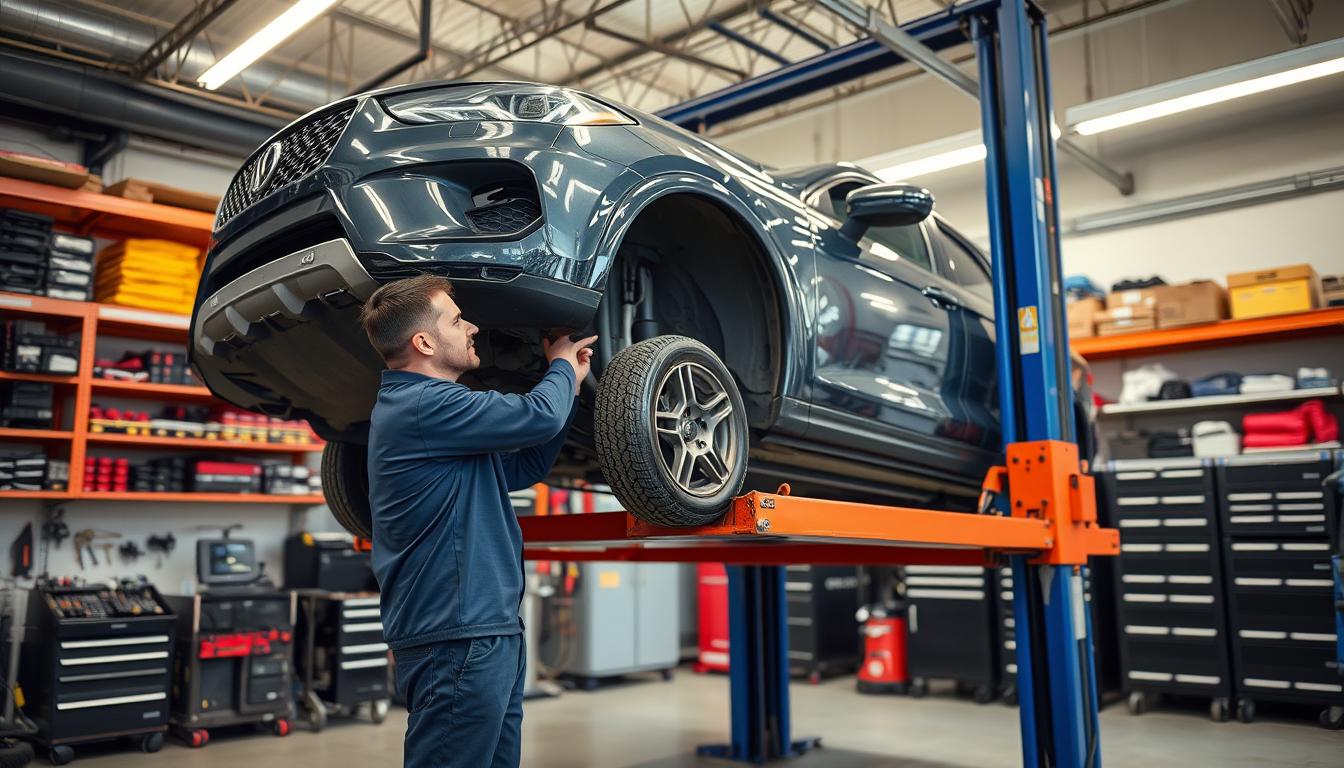
Keeping your vehicle in top condition isn’t just about ensuring smooth performance—it’s about maintaining safety for you, your passengers, and everyone on the road. Regular professional inspections can identify hidden issues before they turn into expensive or dangerous problems. A trusted auto repair shop performs comprehensive safety checks that go far beyond routine maintenance, ensuring that every system of your car functions as intended under real-world driving conditions.
The Importance of Regular Safety Checks
Every car owner understands the importance of oil changes and tire rotations, but fewer realize how vital safety inspections are for long-term reliability. Cars are complex machines, and their components gradually wear out due to heat, friction, vibration, and time. Small issues can quickly escalate, putting drivers at risk. A professional inspection from an auto repair shop not only enhances safety but also preserves vehicle value and improves performance efficiency.
Regular safety checks also ensure compliance with state inspection requirements, which often focus on key systems such as brakes, emissions, and lighting. Preventive care saves you from costly repairs and unexpected breakdowns, especially during long drives or extreme weather conditions.
Essential Safety Checks Performed by Auto Repair Shops
A professional technician follows a detailed checklist covering all major safety systems. These checks are based on manufacturer standards, diagnostic technology, and years of mechanical expertise.
1. Brake System Inspection
Your vehicle’s braking system is the most critical safety feature. Even minor wear or fluid contamination can significantly affect stopping power.
What mechanics check:
- Brake Pads and Rotors: Technicians measure pad thickness and inspect rotors for grooves or warping that can cause vibration when braking.
- Brake Fluid Condition: Old or contaminated brake fluid reduces hydraulic efficiency and may cause spongy pedals.
- Brake Lines and Hoses: Inspections detect leaks, corrosion, or air in the brake lines that can compromise performance.
- Calipers and Wheel Cylinders: These components ensure even pressure distribution across all wheels for balanced braking.
Professional shops often use digital tools to measure rotor run-out and verify the braking force on each wheel to guarantee safety and consistency.
2. Tire Condition and Pressure
Tires directly affect traction, steering, and braking distance. Worn or improperly inflated tires can lead to blowouts or loss of control.
Inspection steps include:
- Tread Depth Measurement: Ensuring at least 2/32 inch of tread depth for legal and safe driving.
- Tire Pressure Check: Mechanics ensure proper inflation levels according to manufacturer specifications, improving fuel efficiency and tire life.
- Alignment and Balancing: Misaligned wheels cause uneven wear, steering pull, and vibration.
- Sidewall and Valve Condition: Cracks, bulges, or leaks are identified and repaired promptly.
Auto repair professionals may recommend tire rotation or replacement if uneven wear is detected, ensuring consistent performance on the road.
3. Steering and Suspension System
A car’s handling stability and comfort rely heavily on its steering and suspension components. Faults in this area can lead to dangerous driving dynamics.
Technicians inspect:
- Ball Joints and Tie Rods: These are crucial for precise steering control. Worn joints may cause loose steering or unusual noises.
- Shock Absorbers and Struts: Damaged shocks reduce vehicle stability and increase stopping distance.
- Bushings and Mounts: Rubber parts deteriorate over time, causing vibrations and uneven handling.
- Power Steering Fluid: Levels and condition are checked to ensure smooth steering operation.
An auto repair shop may conduct a road test after inspection to detect subtle issues like steering drift or suspension bounce.
4. Battery and Electrical System
Modern vehicles rely heavily on electrical systems for everything from ignition to braking sensors. A weak or failing battery can leave you stranded unexpectedly.
Key checks include:
- Battery Voltage Test: Ensures sufficient charge and alternator output.
- Terminal and Cable Inspection: Corrosion or loose connections are cleaned and secured.
- Alternator and Starter Performance: Verifies that charging and ignition systems are working efficiently.
- Fuse and Wiring Condition: Detects shorts or exposed wires that could cause electrical failure or fire hazards.
Technicians also test the battery’s cold-cranking amps (CCA) to confirm it can start your vehicle under extreme conditions.
5. Lighting and Visibility Systems
Proper lighting is essential for visibility at night and during poor weather conditions. Failing lights not only reduce visibility but can also result in traffic violations.
Safety inspection includes:
- Headlights and Taillights: Checked for brightness, alignment, and function.
- Brake and Turn Signals: Verified for consistent illumination.
- Fog Lights and High Beams: Ensured to work correctly for adverse weather driving.
- Windshield Wipers and Washer System: Tested for effective cleaning and spray coverage.
Auto repair professionals may recommend replacing wiper blades every six months and restoring fogged or oxidized headlights for better clarity.
6. Engine Performance and Fluid Levels
Your engine’s health determines overall vehicle safety and reliability. Regular checks ensure optimal performance and prevent overheating or stalling during travel.
Mechanics inspect:
- Engine Oil and Filter: Oil level, color, and viscosity are checked to maintain lubrication.
- Coolant System: Radiator, hoses, and coolant quality are assessed to prevent overheating.
- Transmission Fluid: Ensures smooth gear shifting and prevents premature wear.
- Power Steering and Brake Fluids: Checked for proper level and contamination.
- Leaks and Belts: Early detection of worn belts or gasket leaks prevents engine damage.
Modern diagnostic scanners help mechanics detect underlying issues, including misfires, emissions irregularities, or sensor malfunctions.
7. Exhaust and Emission Control
The exhaust system directly affects both safety and environmental compliance. Leaks can lead to carbon monoxide buildup inside the cabin.
Inspections involve:
- Checking Exhaust Pipes and Mufflers: Detects rust, cracks, or holes.
- Catalytic Converter Efficiency: Ensures proper emission reduction.
- Oxygen Sensors: Monitored for accurate fuel-to-air ratio.
- Emission Testing: Confirms that your car meets regulatory standards.
Regular inspections help reduce harmful emissions and improve engine efficiency.
8. Windshield and Mirrors
Visibility plays a crucial role in driver safety, especially during bad weather or night driving.
Checks include:
- Windshield Integrity: Cracks or chips are inspected to prevent expansion.
- Rear and Side Mirrors: Adjustments and mirror clarity are verified.
- Defrosters and Window Motors: Ensured to function properly for visibility during fog or frost conditions.
Auto repair shops often recommend repairing small windshield chips immediately to avoid costly replacements later.
9. Safety Equipment and Sensors
Modern vehicles are equipped with advanced driver-assistance systems (ADAS) that require calibration and testing to ensure effectiveness.
Technicians check:
- Airbags and Crash Sensors: Verified for proper function and connectivity.
- Seat Belts and Buckles: Inspected for wear and retraction strength.
- ABS and Traction Control Systems: Tested using diagnostic tools.
- Backup Cameras and Parking Sensors: Checked for accuracy and responsiveness.
Calibrating ADAS components ensures that your vehicle’s safety technology functions correctly during emergencies.
The Role of Professional Expertise
While basic maintenance can be performed by drivers, only a trained technician can conduct in-depth diagnostics and precision testing. Professional auto repair shops use advanced tools such as electronic scanners, brake testers, and alignment machines to identify problems that might not be visible to the naked eye. These inspections follow manufacturer standards, ensuring all critical systems operate within safety specifications.
Routine inspections typically align with oil changes or every 5,000 to 7,500 miles, but more frequent checks are advised for high-mileage or heavy-use vehicles. Consistent inspections help extend the lifespan of your car and protect everyone who drives or rides in it.
Preventive Maintenance vs. Reactive Repairs
Preventive maintenance, such as regular safety checks, is significantly more cost-effective than reactive repairs after a failure occurs. Detecting issues early—like a small brake fluid leak or uneven tire wear—can save hundreds of dollars in future repairs. More importantly, it prevents accidents that could result in injuries or property damage.
Drivers who follow a regular inspection schedule experience fewer roadside emergencies and enjoy smoother, more reliable driving year-round.
FAQs
Q1: How often should my vehicle undergo a full safety inspection?
Most experts recommend a complete inspection every 6 months or every 6,000 miles, depending on your driving habits and vehicle age.
Q2: Are state inspections the same as safety checks?
Not necessarily. State inspections focus on legal compliance for emissions and minimum safety standards. A professional auto repair shop provides a far more detailed assessment.
Q3: What signs indicate my brakes need immediate attention?
Grinding noises, a soft pedal, vibrations when braking, or an illuminated brake warning light all signal the need for urgent inspection.
Q4: Can I perform safety checks myself?
You can handle basic checks like tire pressure and fluid levels, but a trained technician should perform in-depth inspections to identify mechanical or electrical issues.
Q5: Do electric vehicles require the same safety checks?
Yes. While EVs lack traditional oil and exhaust systems, they still require tire, brake, suspension, and electrical inspections to ensure safe operation.
Q6: How long does a professional safety inspection take?
A standard inspection typically lasts 60 to 90 minutes, though complex diagnostic work may extend the time slightly.
Q7: What’s the most overlooked aspect of vehicle safety?
Many drivers neglect fluid conditions and suspension health, both of which play a major role in handling and stopping power.
By scheduling regular inspections with your trusted auto repair shop, you ensure your car stays in excellent condition and remains safe for every journey. Professional technicians have the tools and expertise to detect issues early, keeping your vehicle reliable, efficient, and road-ready in every season.