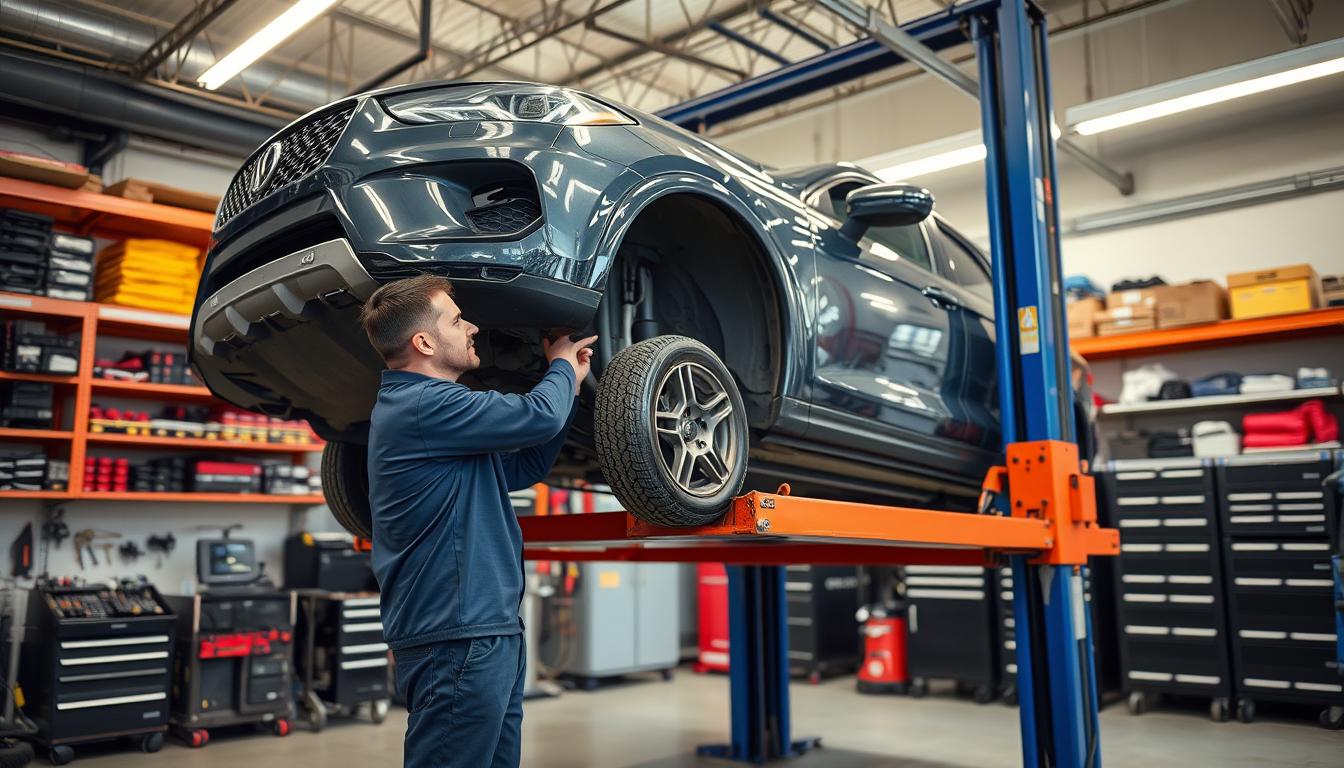
Why Spring Is the Best Time to Visit an Auto Repair Shop

As winter fades and the temperatures begin to rise, many car owners start thinking about road trips, outdoor adventures, and daily drives in warmer weather. But before you hit the road, it’s important to ensure that your vehicle has fully recovered from the toll of the colder months. Visiting an auto repair shop in spring is not just a routine recommendation; it’s one of the smartest maintenance decisions a driver can make. The transition between winter and summer puts unique stress on various vehicle components, and spring inspections help identify and resolve issues before they escalate.
The Seasonal Impact on Vehicle Performance
Every season affects your vehicle differently, and winter is particularly harsh. Cold temperatures, road salt, moisture, and potholes can cause significant wear and tear on crucial systems. By the time spring arrives, many of these hidden issues begin to surface. Visiting an auto repair shop early in the season allows professionals to perform comprehensive checks that restore your vehicle’s performance and reliability.
Spring is also the ideal time for preventive maintenance. Warmer temperatures and longer days make it easier for technicians to conduct detailed inspections and for drivers to schedule necessary repairs without the added stress of winter conditions or summer travel demands.
Post-Winter Recovery: Why Your Car Needs Attention
Winter driving conditions are hard on vehicles. Freezing temperatures affect battery performance, snow and salt damage undercarriage components, and potholes wreak havoc on suspension and tires. By spring, your car may be showing signs of fatigue that can compromise safety and efficiency.
Common Post-Winter Issues Addressed by Auto Repair Shops:
- Rust and Corrosion: Salt buildup on the undercarriage and brake lines can lead to rust if not removed promptly.
- Battery Weakness: Cold weather strains the battery, reducing its capacity over time.
- Suspension Wear: Potholes and icy roads cause misalignment and shock damage.
- Tire Pressure Fluctuation: Changing temperatures affect air pressure, leading to uneven tire wear.
- Fluid Contamination: Winter moisture can dilute essential fluids like brake and transmission fluid.
By addressing these issues in spring, you restore your car’s performance and avoid the inconvenience of breakdowns during warmer months.
The Benefits of a Spring Visit to an Auto Repair Shop
A professional inspection during spring provides far-reaching benefits that enhance your driving experience, improve safety, and extend vehicle lifespan.
1. Restoring Tire Health and Alignment
Winter driving often leaves your tires misaligned or worn unevenly. Potholes and road debris cause alignment issues that may not be immediately noticeable but can lead to steering instability and poor fuel economy.
What mechanics check:
- Tire tread depth and wear pattern
- Tire pressure and balance
- Alignment accuracy using computerized equipment
- Replacement recommendations for worn or cracked tires
Proper alignment ensures that your vehicle drives straight, reduces tire wear, and improves fuel efficiency—important benefits as you prepare for spring and summer travel.
2. Inspecting and Replacing Worn Brakes
Brake systems endure significant stress during winter, especially when driving on slippery roads where frequent braking is common. Moisture, salt, and debris can cause corrosion and reduce braking efficiency.
A spring brake inspection typically includes:
- Checking brake pad thickness and rotor condition
- Testing brake fluid for contamination
- Inspecting calipers, lines, and hoses for wear or leaks
- Measuring stopping distance under various conditions
By visiting an auto repair shop in spring, you ensure that your braking system is ready for the dry, high-traction conditions of warmer weather, where stopping power becomes even more critical.
3. Evaluating the Cooling System
As temperatures rise, your vehicle’s cooling system becomes essential in preventing overheating. Many drivers overlook coolant maintenance after winter, which can lead to breakdowns in summer.
Cooling system services include:
- Checking coolant levels and condition
- Inspecting radiator and hoses for cracks or leaks
- Testing thermostat and water pump functionality
- Flushing and replacing coolant if necessary
A technician ensures the cooling system operates at peak efficiency, preventing overheating during heavy traffic or long drives under the spring sun.
4. Battery Performance Check
Cold weather reduces battery capacity, and many drivers don’t realize their battery is weak until it fails during the first hot day of the year. Spring is the perfect time for a battery test to avoid unexpected issues.
Technicians will:
- Test battery voltage and charging rate
- Inspect terminals for corrosion
- Ensure the alternator provides proper charging
If your battery is nearing the end of its lifespan, replacing it before summer heat arrives ensures reliable starting power and electrical performance.
5. Suspension and Steering System Review
Potholes, frozen roads, and curb impacts during winter can damage suspension components. Poor suspension not only affects comfort but also compromises safety and control.
A spring inspection covers:
- Shocks, struts, and coil springs for wear or leaks
- Ball joints and control arms for looseness
- Steering alignment and responsiveness
Technicians may also perform a road test to detect noises, vibrations, or uneven handling, ensuring your car feels stable and predictable on spring roads.
6. Fluid and Filter Replacement
Fluids play a crucial role in keeping your car running smoothly, especially as temperatures change. Winter moisture can contaminate or degrade several essential fluids.
Mechanics check and replace as needed:
- Engine oil and filter
- Transmission fluid
- Brake fluid
- Power steering fluid
- Windshield washer fluid
Replacing dirty or degraded fluids improves lubrication, reduces friction, and enhances the longevity of internal components.
7. Air Conditioning System Maintenance
Spring is the best time to prepare your AC system for summer’s heat. Waiting until the first heatwave to check your air conditioning often leads to long repair waits.
Key AC inspection points include:
- Refrigerant levels and system pressure
- Compressor and condenser function
- Cabin air filter condition
- Detection of refrigerant leaks
A fully charged and properly functioning AC system ensures comfort and helps reduce humidity inside the cabin during the spring and summer months.
8. Undercarriage and Rust Prevention
Road salt and moisture during winter can cause corrosion that spreads quickly if not addressed. Technicians thoroughly inspect the undercarriage, exhaust system, and brake lines for early signs of rust.
Preventive steps include:
- Steam cleaning or pressure washing the undercarriage
- Applying anti-rust treatments
- Inspecting protective coatings and skid plates
Regular undercarriage maintenance not only prevents corrosion but also preserves structural integrity.
9. Wiper Blade and Visibility Check
After a season of snow, sleet, and grime, wiper blades often become brittle or streaky. Poor visibility during spring rains is a safety hazard.
Mechanics typically:
- Replace worn wiper blades
- Refill windshield washer fluid
- Clean and inspect the windshield for cracks or chips
- Ensure all exterior lights are working properly
A clear view of the road is essential for safe driving, especially during unpredictable spring weather.
Seasonal Transition: Preparing for Summer Driving
Spring inspections are also a crucial step in preparing for summer conditions. Hot weather amplifies minor issues like low fluid levels or weak belts, which can quickly escalate into major repairs. Auto repair shops use this opportunity to:
- Test the performance of the vehicle under higher temperature conditions
- Replace belts and hoses that may have hardened during winter
- Check the condition of the transmission and cooling fans
- Ensure tire rubber compounds are suitable for warm pavement conditions
By addressing these areas early, you reduce the likelihood of mid-summer breakdowns during vacations or long-distance trips.
The Environmental and Financial Advantages
Visiting an auto repair shop in spring offers more than just mechanical benefits—it’s also environmentally responsible and economically smart. Well-maintained engines burn fuel more efficiently, producing fewer emissions. Properly inflated tires improve gas mileage, and clean filters reduce strain on the engine. Additionally, preventive maintenance costs far less than major repairs caused by neglect. For example, replacing worn belts or hoses during spring inspections is far cheaper than repairing an overheated engine later in the year.
The Role of Preventive Care
Preventive maintenance is one of the most cost-effective ways to ensure safety and reliability. Regular visits to a professional auto repair shop help identify issues before they impact performance or safety. Spring is a strategic time for this because it follows the most demanding driving season—winter—and precedes the most active one—summer. The result is a well-balanced vehicle ready for all conditions.
FAQs
Q1: Why is spring better than other seasons for car maintenance?
Spring follows winter, which is harsh on your vehicle. It’s the perfect time to repair salt damage, restore fluids, and prepare systems for warmer temperatures ahead.
Q2: How soon after winter should I schedule a spring inspection?
Ideally, schedule your visit within the first month of spring to catch any post-winter issues early before they worsen.
Q3: What are the most common repairs found during spring inspections?
Technicians often find worn brake pads, low coolant levels, corroded battery terminals, and misaligned suspension systems after winter.
Q4: Can skipping spring maintenance affect summer driving?
Yes. Ignoring spring maintenance can lead to overheating, AC failure, or tire issues during the hotter months when vehicle systems work hardest.
Q5: Should I get my tires replaced or rotated during spring?
Yes. Tire rotation ensures even wear after winter, and replacing winter tires with all-season ones improves fuel economy and performance.
Q6: Is spring a good time to check my car’s air conditioning?
Absolutely. Early spring inspections ensure your AC system works efficiently before the peak summer heat, avoiding costly mid-season repairs.
Q7: What’s the best way to prevent rust after winter?
Have your auto repair shop wash the undercarriage, apply rust protectant, and check brake and fuel lines for corrosion.
By visiting your trusted auto repair shop in spring, you’re not just preparing for pleasant driving—you’re ensuring safety, performance, and peace of mind for the seasons ahead. Regular inspections and maintenance during this time keep your vehicle reliable, efficient, and ready for every mile of the road ahead.