What Every Shooter Should Know Before Ordering a Custom Gun Stock
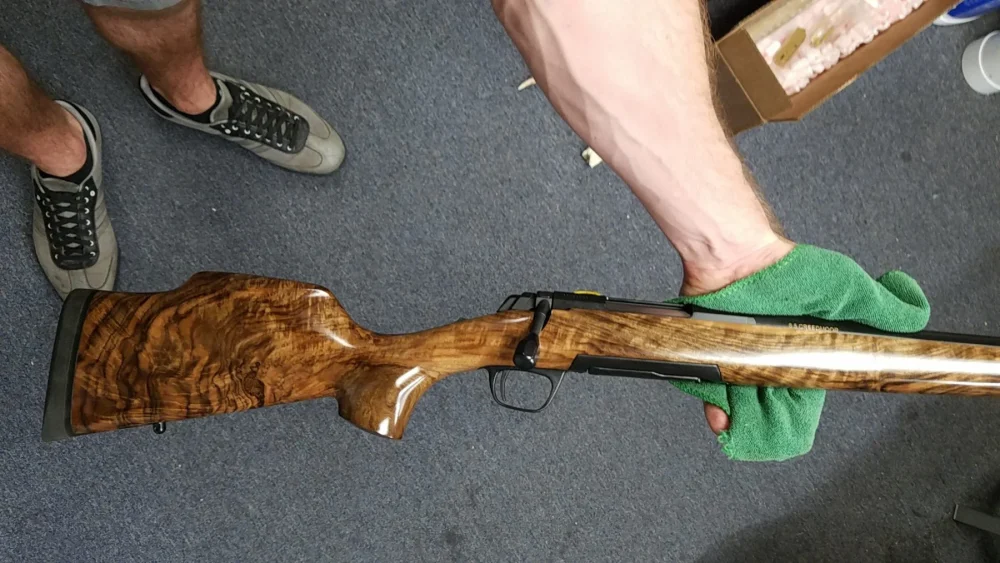
For serious shooters, the rifle isn’t just a tool; it’s an extension of their will, a precision instrument honed for accuracy and performance. While the barrel, action, and trigger are crucial components, the gun stock often gets overlooked in its fundamental role. A custom gun stock isn’t merely an aesthetic upgrade; it’s a critical investment that can dramatically enhance accuracy, improve shooting comfort, and unlock your rifle’s full potential. But before you dive into the exciting world of bespoke stocks, there are essential considerations every shooter should understand to ensure their investment is well-placed and truly transforms their shooting experience.
The Unsung Hero: Why a Custom Stock Matters
Many shooters focus on optics, ammunition, or even barrel fluting, but the stock is the primary interface between you and your rifle. A factory stock, while functional, is designed for a “one-size-fits-all” approach, rarely optimizing for individual body mechanics. This can lead to improper cheek weld, awkward eye relief, inconsistent recoil management, and ultimately, compromised accuracy and shooter fatigue.
A custom stock, on the other hand, is tailored to you. It considers your body dimensions, shooting style, and preferred shooting positions. This bespoke fit translates directly into:
- Improved Accuracy: A consistent cheek weld and proper eye alignment with your optic are paramount for repeatable shot placement. A custom stock ensures these elements are perfectly aligned every time.
- Enhanced Comfort and Reduced Fatigue: When the stock fits, the rifle feels lighter and more balanced. Recoil is managed more effectively, reducing felt recoil and allowing for longer, more comfortable shooting sessions. This is particularly beneficial when shooting powerful cartridges or spending extended time on the range or in the field.
- Faster Target Acquisition: With a natural point of aim, your sights or reticle will align more quickly with your target, saving precious seconds in competitive shooting or hunting scenarios.
- Optimized Recoil Management: A well-designed custom stock distributes recoil more efficiently across your shoulder, minimizing muzzle rise and allowing for quicker follow-up shots.
Key Considerations Before Your Custom Order
Embarking on the custom stock journey requires careful thought and planning. Here are the crucial aspects to consider before placing your order:
1. Define Your Purpose and Shooting Style
The first and most important step is to clearly define how you intend to use your rifle. Are you building a long-range precision rifle for competition? A lightweight hunting rifle for arduous treks? A versatile platform for a cartridge like the 8.6 blackout bolt action rifle?
- Precision Shooting: For benchrest or F-Class, weight might be less of a concern than stability, adjustability, and ergonomic features like a wide forend for bags.
- Hunting: Weight, weather resistance, and carry comfort become paramount. Materials like carbon fiber or laminated wood might be preferred.
- Tactical/Duty: Durability, modularity (for accessories like bipods or night vision), and quick adjustments are key.
Your shooting style also plays a role. Do you primarily shoot from a bench, prone, off-hand, or from various field positions? This will influence features like grip angle, length of pull, and forend design.
2. Material Matters: Wood, Laminate, Synthetic, or Chassis?
The material of your custom stock profoundly impacts its weight, durability, aesthetics, and cost.
- Traditional Wood (Walnut, Maple): Offers classic beauty and warmth. Can be prone to warping with humidity changes and is generally heavier than synthetics. Requires more maintenance.
- Laminated Wood: Multiple layers of wood bonded together. More stable and durable than solid wood, offering unique aesthetic patterns. Still heavier than many synthetics.
- Synthetic (Fiberglass, Carbon Fiber, Polymers): Lightweight, extremely durable, weather-resistant, and requires minimal maintenance. Excellent for adverse conditions and reducing overall rifle weight. Carbon fiber offers the best strength-to-weight ratio.
- Aluminum Chassis Systems: Highly modular, stable, and offer extensive adjustability. Often preferred for precision and tactical rifles due to their rigidity and ability to accept various accessories. Can be heavier and have a more “industrial” feel.
3. Critical Ergonomic Adjustments
A truly custom stock will offer a range of adjustments to perfectly fit your body:
- Length of Pull (LOP): The distance from the trigger to the center of the buttpad. Crucial for proper shooting posture and recoil absorption. It should allow for a comfortable shoulder mount without stretching or scrunching.
- Comb Height/Cheek Weld: The height of the comb where your cheek rests. Essential for consistent eye alignment with your optic. Adjustable combs are highly recommended.
- Recoil Pad Adjustments: Cant (angle) and cast (offset) adjustments of the recoil pad can further optimize recoil management and fit your shoulder pocket.
- Grip Angle and Palm Swell: A grip tailored to your hand size and shooting style provides better control and reduces hand fatigue.
4. Inletting and Action Compatibility
This is a technical but vital point. The stock must be precisely inletted to perfectly accept your rifle’s action and barrel. Ensure the custom stock maker has experience with your specific rifle model (e.g., Remington 700, Savage 110, custom actions) and can accommodate your barrel contour. A poor inlet can lead to stress points, affecting accuracy. Some stocks are “drop-in” ready, while others may require minor fitting by a competent gunsmith.
5. Budget and Lead Times
Custom stocks are an investment. Prices can range significantly based on material, features, and the customizer’s reputation. Be prepared for lead times, as true custom work takes time. Discuss these aspects upfront with your chosen stock maker.
The Custom Stock Journey: What to Expect
Once you’ve done your research and selected a custom stock maker, the process typically involves:
- Consultation: Discuss your needs, rifle model, shooting style, and preferences.
- Measurements: You may be asked to provide specific body measurements or even send in your rifle action for precise inletting.
- Design and Prototyping (Optional): For highly customized options, there might be design mock-ups or even a temporary fitment.
- Manufacturing: The stock is crafted to your specifications.
- Final Fitment: Upon receiving the stock, you might perform final adjustments or have a gunsmith do so.
A custom stock transforms a rifle from a generic tool into a personalized instrument of precision. Whether you’re building a new hunting rifle or upgrading a precision 8.6 blackout bolt action rifle, understanding these key considerations will empower you to make an informed decision, leading to a stock that not only looks great but genuinely elevates your shooting performance. Don’t underestimate the power of a perfect fit; it’s the foundation upon which true accuracy is built.
Author Bio:- The author is a seasoned firearms enthusiast and competitive shooter with over two decades of experience in precision rifle disciplines. With a deep understanding of rifle mechanics and ergonomics, they advocate for tailored equipment solutions that empower shooters to achieve their full potential. Their passion lies in sharing knowledge that helps fellow enthusiasts make informed decisions about their gear, enhancing both safety and performance on the range and in the field.