How Outlet Stores Offer Premium Brands for Less
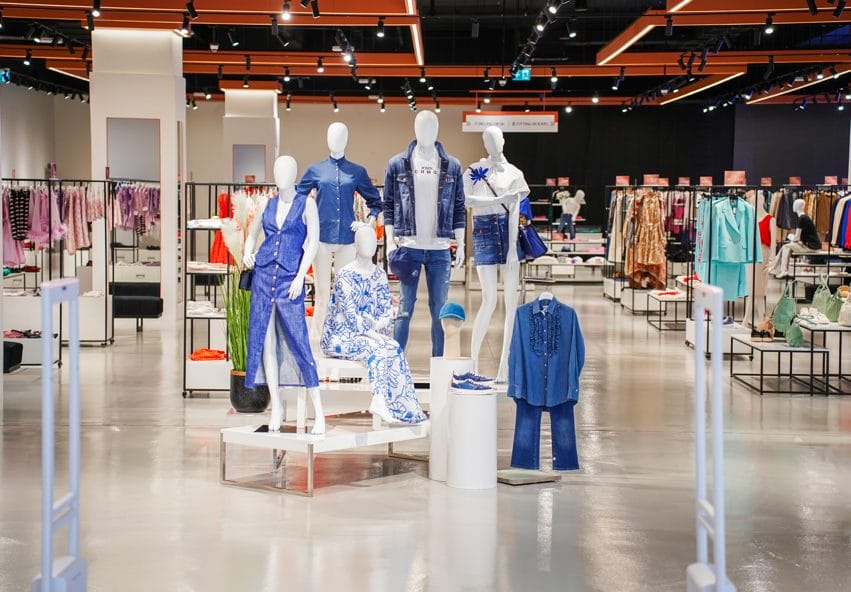
Outlet stores have become one of the smartest ways to buy premium-brand clothing, accessories, and lifestyle products at significantly reduced prices. Many shoppers assume discounts mean lower quality, but the reality is more strategic. Outlet retail follows a different business model than traditional stores, allowing brands to sell products at lower prices while maintaining profitability.
Understanding how outlet stores work helps shoppers make better purchasing decisions and recognize genuine value.
What Makes Outlet Stores Different from Regular Retail Stores
Outlet stores operate with a unique inventory strategy compared to traditional brand showrooms.
They typically sell:
- Excess seasonal inventory
- Overproduced stock
- Past-collection items
- Specially manufactured outlet-exclusive products
Because these items don’t compete directly with full-price collections, brands can offer them at reduced rates.
Overstock Inventory Plays a Major Role in Discounts
Fashion production often involves forecasting demand months in advance. When production exceeds actual sales, brands move extra inventory to outlets.
This allows companies to:
- Recover production costs
- Clear warehouse space
- Avoid waste
- Maintain supply-chain efficiency
Instead of destroying unsold items, outlet stores provide a practical resale channel.
Previous Season Collections Are Sold at Lower Prices
Fashion cycles change quickly, especially in premium retail.
Outlet stores commonly offer:
- Last season’s colors
- Older silhouettes
- Discontinues styles
- Limited leftover sizes
Although not part of the newest releases, these products remain high quality and fully wearable.
Outlet-Exclusive Products Help Maintain Lower Price Points
Many premium brands design certain items specifically for outlet locations.
These products:
- Follow brand aesthetics
- Use simplified construction
- Maintain recognizable branding
- Support lower retail pricing
This strategy helps brands maintain affordability without affecting flagship-store positioning.
Reduced Store Operating Costs Support Lower Prices
Outlet stores are often located outside major city centers or inside outlet malls.
Lower operating expenses include:
- Reduced rental costs
- Simplified store layouts
- Smaller staffing teams
- Lower marketing investment
These savings allow brands to pass some benefits to shoppers.
Bulk Purchasing Strategies Improve Pricing Flexibility
Outlet retail benefits from high-volume sales models.
Brands rely on:
- Larger inventory turnover
- Frequent promotional events
- Seasonal clearance strategies
- Multi-item bundle pricing
Selling higher quantities at lower margins still supports profitability.
Minor Cosmetic Imperfections Can Lead to Price Reductions
Some outlet items may include small manufacturing variations that don’t affect usability.
Examples include:
- Slight stitching irregularities
- Packaging damage
- Display wear marks
- Label variations
These minor differences help justify additional discounts while keeping products functional.
Direct-to-Outlet Production Helps Maintain Availability
Some premium brands manufacture items specifically for outlet channels rather than moving only leftover stock.
These items typically feature:
- Simplified detailing
- Fewer embellishments
- Cost-efficient materials
- Classic silhouettes
This keeps outlet shelves stocked consistently throughout the year.
Seasonal Promotions Increase Savings Further
Outlet stores often provide additional discounts beyond already reduced prices 🛍️
Common promotions include:
- Festival sales
- End-of-season clearances
- Bundle offers
- Loyalty discounts
- Weekend promotions
Timing purchases strategically can increase overall savings significantly.
Smart Shopping Tips for Outlet Store Purchases
To get the best value from outlet shopping, consider these strategies:
- Check stitching quality carefully
- Compare prices with regular retail stores
- Try items for proper fit
- Visit during seasonal clearance periods
- Focus on timeless designs rather than short-term trends
Careful selection ensures outlet purchases remain worthwhile long term.
FAQs About How Outlet Stores Offer Premium Brands for Less
1. Are outlet store products genuine brand items?
Yes. Most outlet stores sell authentic branded products, although some items may be made specifically for outlet channels.
2. Is the quality lower in outlet stores compared to regular stores?
Not always. Many products are overstock or previous-season items, though outlet-exclusive products may use simplified construction.
3. Why are outlet stores usually located outside city centers?
Lower rent and operating costs allow brands to maintain reduced pricing structures.
4. Can current-season products appear in outlet stores?
Occasionally, especially during clearance periods or when inventory remains unsold near season transitions.
5. Are outlet stores worth visiting for everyday wardrobe essentials?
Yes. Basics and timeless pieces often provide excellent long-term value at reduced prices.
6. Do outlet stores offer return policies similar to regular stores?
Policies vary by brand and location, so checking store-specific terms before purchasing is recommended.
7. When is the best time to shop at outlet stores?
Major sale periods, festival seasons, and end-of-season clearance events usually offer the highest discounts.